

=
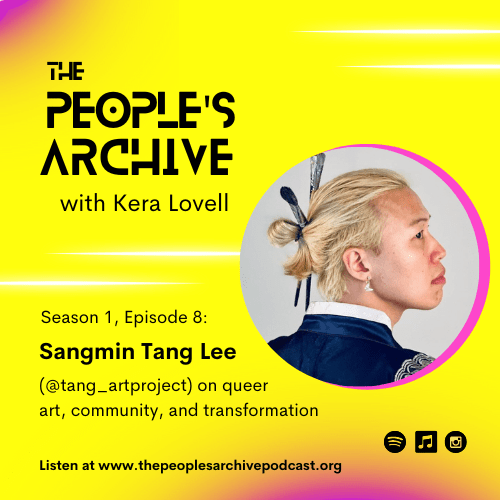
Episode: Artist Sangmin Tang Lee
Series: The People’s Archive
Release Date: July 2, 2024
Host: Kera Lovell, from The People’s Archive Podcast
Episode Link:
https://open.spotify.com/episode/48f6CFhPVSHcevVtaPGMQ6?si=RZGAyhXlRlaKEFDQDNlVhQ
Tags:
History, Race, Queer, LGBT, Gay, Trans, He/They, Korea, Seattle, Art, Queer Art, Gay Bars, Queer Dating, Queer Community, Mental Health, Seoul, Itaewon, Urban History, Same Sex Marriage, Korea, Transnational, Chosen Family
Description:
Oral History Interview: A conversation with queer Korean artist Sangmin Tang Lee about coming out, exploring gay communities in Seoul and Seattle, and their groundbreaking solo art exhibition at Hannam Starfield in South Korea.
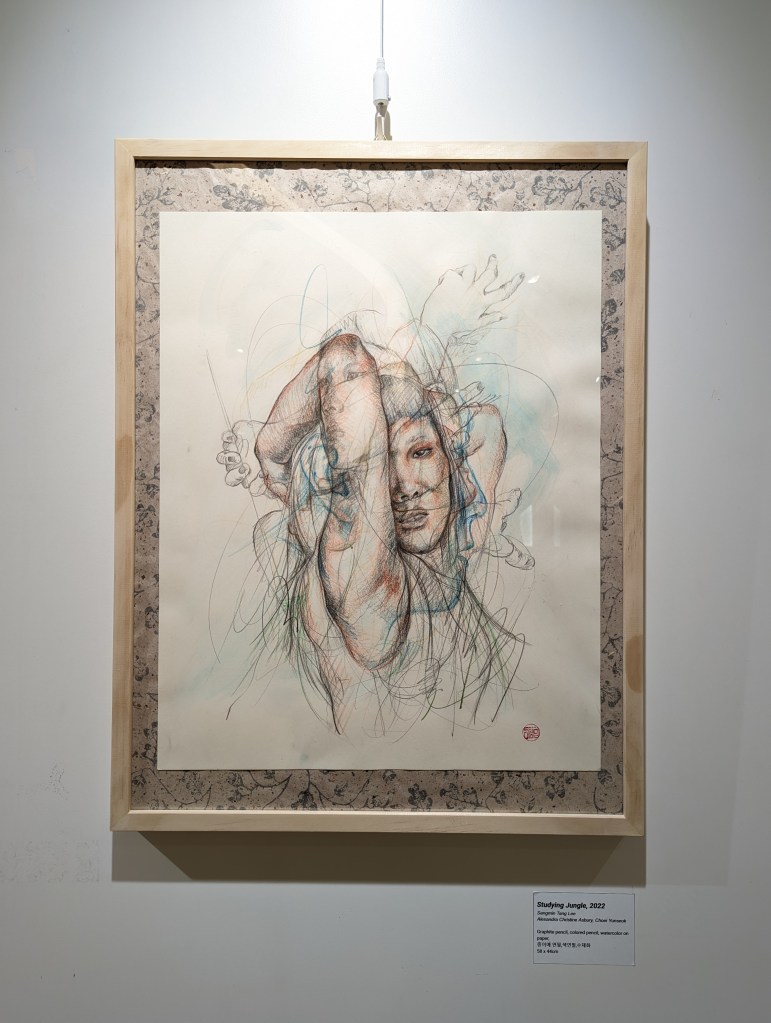
Notes: Kera Lovell: This is a great podcast episode if you’re looking for an urban history of queerness (comparative of both Seattle’s Capitol Hill Neighborhood and Seoul’s Itaewon/Haebangchon), if you’re looking for an interdisciplinary lens into queerness, or if you’re interested in a transnational exploration of queerness. While listening to the interview, definitely check out Tang’s artwork embedded below. Clips from this interview posted at The People’s Archive Podcast’s IG page have been included here, and can be a good way to direct students’ attentions to key moments after they listen to the episode in its entirety.
Archival Conversations:
Check out some of the ways in which we have paired moments from this oral history interview with other digital archives:
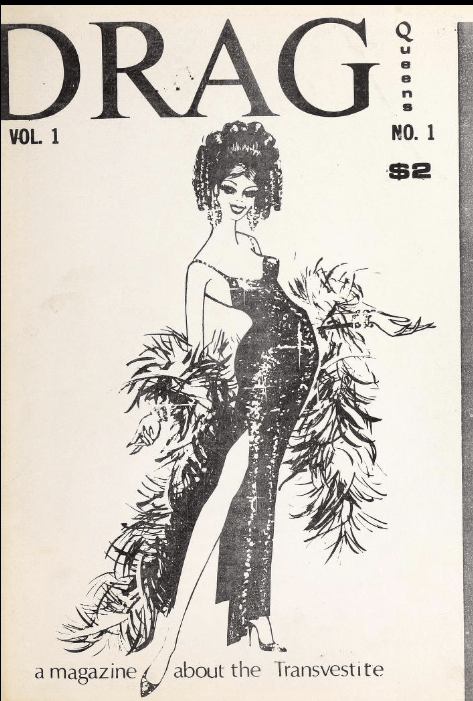
- The future of the past: Drag Queens (Magazine), vol 1, no. 1 (1971), pg. 4. – The issue begins with a call to action. How does this editorial statement compare to Tang’s conclusions from The People’s Archive, S01, E08? Do you think the future that the editors demanded in 1971 has been realized today? https://archive.org/details/drag11unse/page/4/mode/2up Use specifics from the interview and the magazine as evidence to support your argument.
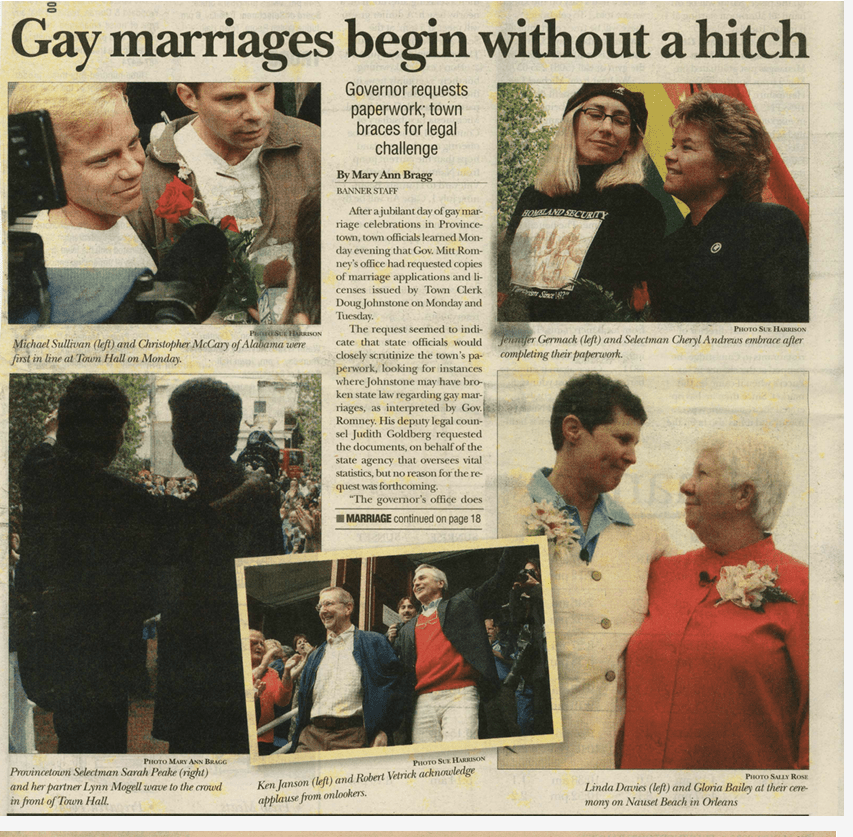
- The emotions behind marriage equality: For Tang, the legalization of same-sex marriage in the United States was an inspirational event, influencing their art piece “21 National Flowers, 2015″ (See artwork in the header image above and on Tang’s website: https://www.tangartproject.com/). While the 2015 ruling of Obergefell v. Hodges constituted marriage equality as federal law, a select handful of states granted marriage licenses to same-sex couples in years prior, beginning with Massachusetts in 2004. Let’s take a look at how locals in Massachusetts experienced the legalization of same-sex marriage by skimming through these newspaper clippings via the Digital Commonwealth database: https://bit.ly/samesexmarriagearchive. How do people feel about the law? Describe three different emotions present in these newspaper clippings. How do these emotions compare and contrast with those expressed by Tang in their art piece? Use specifics from the newspaper clippings and the interview/art piece as evidence to support your argument.

- Artistic analysis: Peruse some of Tang’s artwork on their website and read Tang’s description of the collection: https://www.tangartproject.com/new-identitiy. In the podcast interview, Tang explains that the lines in their work are a stylistic reaction to the violence done against queer people. In addition, we discuss Tang’s artwork as a style of queer portraiture and how these portraits stylistically differ from homophobic and transphobic representations of queer people. Compare Tang’s artwork to Kent Monkman’s piece “Mistikôsiwak (Wooden Boat People): Resurgence of the People” in the Queer Art History digital archive: https://www.queerarthistory.com/tag/kent-monkman/. Read the description of the painting to understand how queer history intersects with the colonization of Native people. In comparing the artworks, what types of violence (systemic, personal, physical, spiritual, cultural, etc.) against queer people are the artists commenting on in their work? How do the artists stylistically juxtapose this violence with the beauty and joy of queer people? Use evidence from the interview and the artwork as evidence to support your argument.
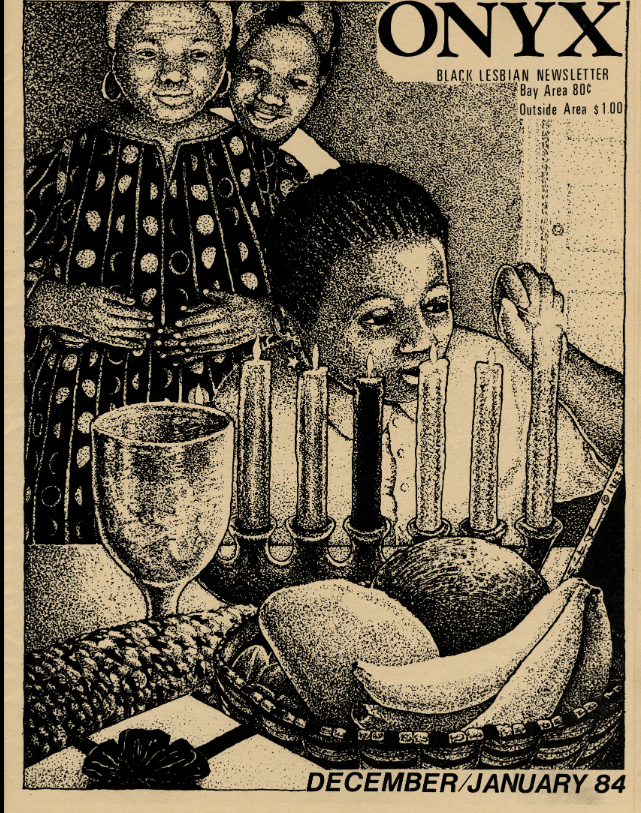
- Representation as respect: As shown through the images of the Black Lesbian Newsletter, self-representation is important. In their interview, Tang describes their approach to queer visual art as one rooted in challenging homophobic stereotypes. This digital collection shows a handful of issues of the Black Lesbian Newsletter from the 1980s. Skim them to examine the imagery on the cover and within the pages. What are the tones and themes represented in the images of Black women in the newsletter? In what ways do these representations in the newsletters challenge broader depictions of Black women in American culture? Black Lesbian Newsletter (linked through Archive.org from the GLBT Historical Society) https://archive.org/details/glbthistoricalsociety?and%5B%5D=creator%3A%22onyx%22&sort=date Use specifics from the interview and the newsletter as evidence to support your argument.
Topics list:
Looking to design your own assignments? Here is a list of topics with estimated timings covered in this oral history interview:
- CHILDHOOD – 2:00 – child behavior, gendered toys, dolls, clothing
- ART – 4:00/27:00/31:00/39:00/44:00/46:00 – perceptions of art as too western, too gay, too overt in Korea -> queer art as political art in Seattle; validating art, queer art exhibition, artistic style; Same Sex Marriage Amendment/”21 National Flowers, 2015;” personal artist statements; representation
- 9:00 – coming out in Korea vs. Seattle
- 13:00 – language, ex. pronouns
- 14:30 – validation from queer community
- 16:30 – dating, body expectations, body shaming, labels
- 19:00 – mental health, Covid outbreak in queer clubs in Korea
- 23:00 – Homo Hill (gay neighborhood Seoul), transphobic bars, queer bars, chosen family
Discussion-Based Clips:
REPRESENTATIONS: In this clip, Tang is comparing how queer content creators discuss their gender/sexuality versus mediums like visual art that can spark complex conversations about queerness. In their chapter “Art is Not Enough,” author Nicolas Lampert argues that the activist art group ACT UP prioritized culture as a form of resistance in the fight against AIDS and against homophobia [Lampert, N. “Art is Not Enough: ACT UP, Gran Fury, and the AIDS Crisis,” chapter in A People’s Art History of the United States (The New Press, 2013).]
How is Tang’s artwork a practice of culture as resistance? Do you think Tang would agree or disagree with the figures from this clip of the documentary The Celluloid Closet (Sony Pictures, 1996) in their discussion of the “sissy” stereotype of effeminate gay men in TV/Film history? Why or why not?
PROVOCATIVE ART: In this clip, Tang describes listening to the conversations taking place with everyday mallgoers on New Years Day of 2023, when their queer art exhibition opened to the public in Seoul at Hannam Starfield. Queer art and design have often been used to provoke emotions, conversations, and even protest as a tool to challenge gender and sexual norms.
Skim through Andy Campbell’s book Queer Design and explore different examples of provocative queer art. How does Tang’s work (seen on their website) compare to queer art made in the 1980s?
POLITICAL ART: The legalization of same-sex marriage in the United States in 2015 inspired Tang to create the piece “21 National Flowers.” While some view art as a source of only entertainment, writer Jake Brodsky of Artsy argues that artists helped pave the way for this historic Supreme Court ruling. Skim through Brodsky’s list of “11 Artists that Helped Pave the Way to Marriage Equality” (2015).
What are some ways that queer artists listed there have helped use art as a tool of political speech, community building, and identity validation that led to the 2015 ruling? Now, let’s think about queer art in the US today. Explore similar themes in the digital collections of the Leslie-Lohman Museum of Art: https://lohman.zetcom.net/en/collection/?om=2&v=2. In what ways do you think the art pieces here challenge popular representations of queerness in broader culture?
Other Relevant Sources:
Archive: This is a filtered search for the neighborhood Itaewon 이태원 that Tang mentions in the interview: Korea Queer Archive/Queer Lock 퀴어락: https://queerarchive.org/solr-search?q=%EC%9D%B4%ED%83%9C%EC%9B%90
Book: Campbell, A., Bound Together: Leather, Sex, Archives, and Contemporary Art. (Manchester University Press, 2020.)
Article: Summers, R., “Queer Archives, Queer Movements: The Visual and Bodily Archives of Vaginal Davis,” Radical History Review vol. 122 (2015): pp. 47–53. https://doi-org.ezproxy.lib.utah.edu/10.1215/01636545-2849522
Article: Ventrella, F. “Voicing the Queer Self: Listening to Portraits with Vernon Lee,” Art History, no. 46 (2023): pp. 428-457. https://doi-org.ezproxy.lib.utah.edu/10.1111/1467-8365.12727
General sources on gender and sexuality in South Korea: Kera Lovell, “Research on Gender and Sexuality in Korea,” The People’s Archive (2023): https://thepeoplesarchivepodcast.org/research/.
 Teaching with Podcasts
Leave a comment